If you want practical pest control Scarborough homeowners can realistically use, the best approach is to think in ways of home protection all year long. Seasonal pests do not show up by chance; they are drawn by seasonal changes, moisture, food access, and places to hide. A focused plan focused on pest prevention can help you lower the chance of an infestation before it starts.
In Scarborough, that matters because local pest pressures change with the weather and with the neighbourhood. The area’s proximity to Lake Ontario humidity, the mix of older homes, townhouses, and newer subdivisions, and the presence of nearby parks, ravines, and green corridors all influence where pests live and how they move. Add in Toronto urban density in the east end, and many homes face shared-wall or multi-unit pressure that can make pest problems move faster.
Which weather-related insects are most common in Scarborough?
Several pests often appear time after time in Scarborough homes, especially when conditions change. The main are ants, mice, spiders, and wasps, but homeowners also deal with cockroaches, silverfish, earwigs, and cluster flies.
Ants often make their way in in spring and summer while searching for food and water. Mice become busier indoors in the fall and winter, especially when outdoor temperatures cool. Spiders may not always indicate an infestation, but they often show up where other insects are present. Wasps are a significant concern in late spring through early fall, especially around eaves, decks, and garbage areas.
Other seasonal pests can be more subtle. Cockroaches tend to prefer warm, moist hiding spots, while silverfish like damp basements, laundry rooms, and storage areas. Earwigs may turn up around mulch, patios, and garden beds, then wander inside during wet weather. Cluster flies often move into attics and wall voids as cooler weather arrives.
Understanding which pests are common in your area helps you concentrate your maintenance checklist on the right threats instead of treating every issue the same way.
Why do pests become a concern at different points of year?
Pests respond to the conditions that let them thrive. That means temperature changes, humidity, food sources, and cover all influence when they become a nuisance.
When the weather gets warmer, insects become more active and search for nesting sites, food, and water. In hot periods, ants and wasps often increase their activity around the property perimeter. After rain, moisture buildup can drive pests toward dry indoor spaces. In Scarborough, where humidity from Lake Ontario can linger, damp conditions may create the perfect environment for silverfish, cockroaches, and earwigs.
As temperatures drop, pests shift their focus to indoor shelter. Mice and other rodents seek warmth and easy access to food. They can fit through surprisingly small entry points and settle into walls, attics, basements, and storage areas. That is why fall and winter often bring an uptick in rodent activity.
Food sources also matter. Crumbs, pet food, garbage, compost, and unsealed pantry goods can draw in pests throughout the year. If they find reliable shelter and food, they will keep coming back. This is why effective pest prevention is less about one-time treatment and more about minimizing attractants and restricting access.
How can I prevent pests from getting inside my home?
The most important thing is to identify and seal openings before pests use them. First inspect for cracks and gaps around the foundation, utility penetrations, vents, and areas where pipes or cables enter the home. Small gaps can quickly become serious entry points for insects and rodents.
Use weather stripping around doors and door sweeps at the bottom of exterior doors to block gaps that pests can use. Check window screens for tears, loose frames, and missing mesh. In homes with older materials or settled foundations, regular inspection is especially important because gaps can widen over time.
Homes in Scarborough can vary a lot. Older homes may have more wear around the foundation, attic, and basement. Townhouses may include shared walls and concealed utility openings. Newer subdivisions may have tighter construction, but they can still have gaps around garage doors, vents, and rooflines. Every style has different weaknesses, so your pest prevention plan should match your structure.
A good routine inspection should include the attic, basement, garage, and exterior trim. Look for gnaw marks, droppings, nesting materials, or insect trails. These are clear infestation signs and often point to where pests are getting in. If you can identify the access point early, you can prevent re-entry and reduce the chance of the problem spreading.
What should I do to protect my kitchen and pantry?
Your kitchen is one of the main pest draws in the home, so thorough kitchen sanitation is necessary. Good habits around food storage, trash handling, and cleanup can help a lot.
Store dry goods in airtight containers rather than leaving bags open in the pantry. This includes cereal, flour, rice, pet food, and snack items. Make sure garbage bins well closed and empty them routinely. If your bins are not lined, damaged, or too full, they can become a easy food source for ants, cockroaches, and mice.
Cleaning routines matter more than many homeowners realize. Wipe counters, sweep under appliances, and clean behind the stove and fridge. Pay special attention to crumbs and spills, since even small food traces can attract pests overnight. A quick wipe-down after meals and a more detailed weekly cleaning can help reduce attractants.
Do not forget to check storage areas for expired food or forgotten packages. Pantry pests often start in items that sit too long. If you notice chew marks, webbing, or debris in dry goods, discard the affected items and inspect nearby shelves. Strong sanitation is one of the easiest and most useful exclusion methods because it removes the reason pests want to stay.
How do I reduce pest activity around the outside of my house?
Outside prevention helps prevent pests away from your home before they locate a way in. Start with landscaping. Trim shrubs and tree branches so they do not touch the house, since overgrown plants can create sheltered pathways for insects and rodents. Dense plants can also offer harbourage near doors, windows, and vents.
Check for standing water in flower pots, trays, birdbaths, clogged areas, and low spots near the foundation. Moist areas attract many pests and can contribute to moisture buildup near your home. Since Scarborough’s climate can stay humid, controlling excess water around the property is especially important.
Mosquito Man Scarborough1225 Kennedy Rd, Scarborough, ON M1P 4Y1, Canada
+1 647-243-7241
https://maps.app.goo.gl/8SuLx1MkkqVJFc2m9 https://mosquitoman.ca/pest-control/scarborough/
43.7561897, -79.2751574
Keep gutters clean so water flows away properly. Clogged gutters can overflow and dampen siding, fascia, and the soil near the foundation. That moisture can attract ants, earwigs, and other seasonal pests. Good gutter maintenance also helps protect the structure itself.
Firewood storage is another overlooked issue. Pile firewood off the ground and away from the house. Woodpiles can shelter spiders, ants, and rodents, especially when they sit too close to the home. The same idea applies to outdoor clutter such as bins, planters, toys, and unused building materials. Reducing clutter limits nesting sites and makes inspections easier.
Think of the area around your house as a buffer zone. The cleaner and drier that zone is, the less likely pests are to cross it.
What seasonal measures should I take in spring, summer, fall, and winter?
Year-round planning is the best way to stay ahead of pests. Each time of year comes with different risks, so your approach should shift with the calendar.
Spring pest prevention
Spring is the time to inspect your home after winter and repair any damage from freezing, shifting, or moisture. Examine the foundation, siding, vents, and screens for new cracks and gaps. Look for ant trails, spider activity, and signs of insects emerging from winter hiding spots.
Spring pest prevention should also include yard cleanup. Remove leaf piles, clear dead vegetation, and inspect mulch beds near the house. These areas can hide nesting sites for ants and earwigs. Taking action early can prevent a larger problem later.
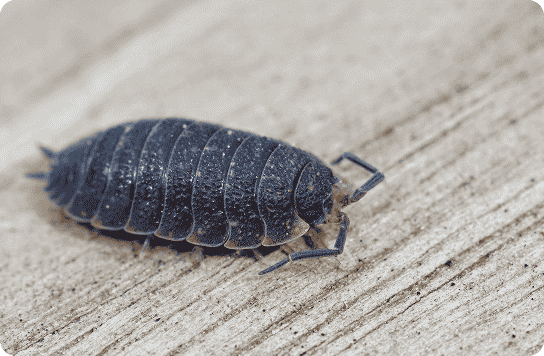
Summer wasp control
Summer is prime time for wasps. Review eaves, porch roofs, sheds, and deck areas for early nest building. If you notice frequent wasp traffic in one spot, consider it as a warning sign rather than waiting for the nest to grow.
Summer also brings more insect activity in general, so keep doors closed, repair screens, and manage food and drink outdoors carefully. Yard waste, barbecue areas, and recycling bins can all attract pests. Good sanitation outside is just as important as it is inside.
Fall rodent prevention
Fall is the critical season for rodent prevention. Mice begin looking for warmth, shelter, and easy food as temperatures drop. This is the best time to inspect for small openings around pipes, vents, the garage, attic access points, and basement windows.
Seal openings before the first cold snap, because once mice enter, they can be difficult to dislodge. Focus on entry points along the foundation, under doors, and around utility lines. Remove shelter materials and keep storage organized to eliminate nesting sites.
Winter sealing
Winter is the season for tightening your home against the cold. Winter sealing means checking weather stripping, door sweeps, caulking, attic vents, and window frames. Even if pests are less visible outdoors, they may already be inside walls, attics, or basements.
During winter is as well a good season to watch for rodent movement and check food storage zones. As outdoor conditions are https://caledon-onvg562.lumenforgex.com/posts/ways-to-stop-pantry-pests-from-spreading-in-scarborough-homes unfavorable, pests that do come in will linger longer if they encounter shelter and resources. Effective winter sealing helps with long-term home protection and helps prevent re-entry.
When should I call a pest control professional in Scarborough?
Homeowners can take care of many preventive tasks, but there are times when a pest control professional is the right choice. If you see repeated infestation signs, large numbers of pests, or damage that keeps returning, it may be time for a thorough inspection.
Call an exterminator if you suspect rodents in the attic or basement, if wasp nests are spreading near entrances, or if cockroaches or other pests keep appearing despite cleaning and sealing efforts. Professional support is especially useful when the issue involves hidden areas, shared walls, or multi-unit pressure in Toronto’s east end.
Look for a provider that uses integrated pest management. This approach includes inspection, identification, exclusion methods, sanitation, monitoring, and targeted professional treatment when needed. It is often more successful than relying on a single product because it addresses the source of the problem instead of just the symptoms.
If you are unsure whether the issue is an isolated event or a true infestation, a professional assessment can give you clarity. An experienced pest control specialist can identify patterns, locate hidden access points, and recommend a plan that fits your home and neighbourhood.
What local factors in Scarborough make pest control important?
Scarborough homes face a distinct mix of conditions that can make pest control more important than in some other areas. The first is Lake Ontario humidity, which can contribute to moisture-related pest issues in basements, crawl spaces, and lower levels. When humidity stays high, pests such as silverfish, cockroaches, and earwigs can find conditions more comfortable.
Another factor is the housing mix. Scarborough includes older homes with aging foundations and more possible entry points, as well as townhouses and newer subdivisions with different construction details. Older buildings may have settled cracks and gaps, while modern homes may still have vulnerable utility openings, garage edges, or attic penetrations.
Nearby parks, gullies, and green corridors can also attract rodents, ants, and other warm- and cold-weather pests. These spaces are part of what helps make the community attractive, but they can also function as movement routes from outdoor nesting sites to your property perimeter. If your home borders trees, brush, or open green space, regular monitoring becomes even more important.
On top of that, Scarborough is part of Toronto urban density in the east end, which can increase shared-wall and multi-unit pest pressure. In dense neighbourhoods, pests can travel between units, fences, and connected structures more easily. That makes for prevention, sanitation, and routine inspection essential for long-term pest prevention.
A strong pest plan in Scarborough is not about reacting after pests move in. It is about home protection, moisture control, and stopping access before pests find food, shelter, or nesting sites.
FAQ: Common questions about seasonal pest prevention
What pests are most active in Scarborough homes each season?
Common seasonal pests include ants and wasps in spring and summer, mice in fall and winter, and spiders, cockroaches, silverfish, earwigs, and cluster flies at different points depending on temperature, moisture, and access to shelter. Regular inspection helps you spot infestation signs early.
How do I seal my home to keep pests out?
Start by checking entry points around the foundation, windows, doors, vents, and utility lines. Seal cracks and gaps with appropriate materials, replace worn weather stripping, add door sweeps, and repair damaged window screens. These exclusion methods help prevent re-entry.
What is the best way to prevent mice in the fall and winter?
Focus on fall rodent prevention before cold weather pushes mice indoors. Seal openings, remove clutter, store food properly, and reduce shelter around the home. Keep an eye on the attic and basement, since those are common nesting sites during winter.
Are DIY pest control methods enough for seasonal pests?
Do-it-yourself methods can help with cleanliness, sealing, and routine monitoring, but they are not always enough for a worsening infestation. If you have continued rodent activity, frequent wasp problems, or pests returning despite your efforts, expert treatment may be necessary.
When is it time to call for pest control in Scarborough?
It is time to call when you notice continued infestation signs, cannot find the source, or need help with an area like the attic, basement, or shared-wall space. A proper inspection can determine whether integrated pest control or targeted treatment is the right next step.